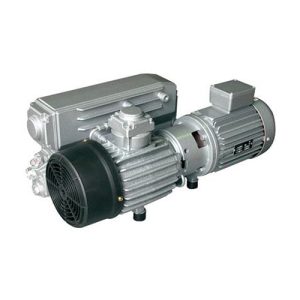
Vacuum Pump – Powerful Solution for Effective Air & Pressure Control
Vacuum pumps create negative pressure in a system by drawing out air or gas molecules. This enables reliable performance in critical industrial applications such as creating vacuum environments, gas extraction, and evacuating ambient air. They are widely used in industrial processes, chemical plants, laboratories, production lines, packaging, and process control systems.
Flowland vacuum pumps deliver effective results even under continuous operating conditions — thanks to their durable construction, precise suction power, and high efficiency.
Vacuum Pump Technical Specifications
Property
Value
Pump Type
Oil / Dry / Liquid Ring Vacuum Pump
Operating Principle
Negative Pressure (Vacuum) Generation
Maximum Flow Rate
10 – 600 m³/h (model dependent)
Maximum Vacuum Level
0.1 – 5 mbar
Motor Power
0.37 – 7.5 kW
Voltage
220V / 380V
Connection Diameter
1" – 3"
Housing Material
Cast Iron / Stainless Steel
Protection Class
IP55
Operating Temperature
5°C – 40°C
Mounting Type
Horizontal
Cooling Type
Air-Cooled
Maintenance Interval
Periodic Oil Check
Vacuum Pump — Technical Advantages & Features
High suction capacity: Stable and rapid vacuum generation
Energy efficiency: Low energy consumption for long-term continuous use
Wide compatibility: Integrates with various industry types and systems
User-friendly design: Easy installation and maintenance
Multiple types available: Oil, dry, and liquid ring configurations
IP55 protection: Reliable operation in demanding industrial environments
Application Areas
Flowland vacuum pumps are especially suitable for processes requiring gas extraction and vacuum environments, including:
Industrial process lines
Laboratory applications
Packaging machinery
Chemical plants
HVAC and drying systems
Electronics manufacturing lines
A vacuum pump is a device that removes gas molecules from a sealed volume to create a partial or full vacuum — a space with pressure below atmospheric levels. This negative pressure environment is essential for many industrial processes including packaging, distillation, drying, and material handling.
Vacuum pumps are used across a wide range of sectors including chemical processing, pharmaceuticals, food packaging, electronics manufacturing, laboratories, HVAC systems, printing, plastics forming, and any application requiring controlled low-pressure environments.
A pressure pump pushes fluid or gas into a system at above-atmospheric pressure, while a vacuum pump removes gas from a system to create below-atmospheric pressure. They work in opposite directions — pressure pumps build up, vacuum pumps draw down. Some equipment combines both functions.
For oil-type vacuum pumps, oil level and quality should be checked periodically — typically every 500–1000 operating hours depending on usage conditions. Filters, seals, and exhaust components should also be inspected regularly. Dry-type pumps generally require less frequent maintenance. Always follow the manufacturer's maintenance schedule.
Request a Quote
Fill in the form below to get information about our products and we will get back to you.